We hope you have enjoyed today’s session and leave feeling inspired and educated. If you would like to help support our work with families across the state, please consider making a donation today.
- ASQ3-SE
- Board of Directors
- Buddy Walk
- Calendar
- Cart
- Checkout
- Consent to attend IEP
- Contact Us
- Digital Content Creator
- Disaster Preparedness for Families with Special Needs
- Donate Now
- Download TEFRA Application
- Education
- Families
- Family Connection of South Carolina
- Find a Provider
- Healthcare
- Hopes & Dreams
- IDEA and McKinney-Vento Laws: Rights and Resources for SC Families
- Internships
- Job Posting: Executive Administrative Assistant
- Job Posting: Training & Communications Coordinator
- Login
- Look Book order
- Look! Photography Exhibit
- 26001
- 26002
- 26003
- 26004
- 26005
- 26006
- 26007
- 26008
- 26009
- 26010
- 26011
- 26012
- 26013
- 26014
- 26015
- 26016
- 26017
- 26018
- 26019
- 26020
- 26021
- 26022
- 26023
- 26024
- 26025
- 26026
- 26027
- 26028
- 26029
- 26030
- 26031
- 26032
- 26033
- 26034
- 26035
- 26036
- 26037
- 26038
- 26039
- 26040
- 26041
- 26042
- 26043
- 26044
- 26045
- 26046
- 26047
- 26048
- 26049
- 26050
- 26051
- 26052
- 26053
- 26054
- 26055
- 26056
- 26057
- 26058
- 26059
- 26060
- 26061
- 26062
- Aarin C
- Adam
- Adaya
- Adeline C
- Ahmir S
- Aiden
- Aiden Elijah T
- Aime H
- Alexander
- Alexia
- Alexia H
- Alexis S
- Amanda D
- Amani G
- Amaya Y
- Amden Alecole H
- Amelia H
- Ana Sofia
- Ana Sofia
- Ana Sofia B
- Andrew M
- Andrew P
- Angel C
- Angel P
- Angel R
- Angela Isabella
- Anthony Y
- Ariana
- Ariana
- Ariana
- Art Walk
- Arthur “Row” G
- Ashanti
- Asher B
- Ashley Altagracia R
- Ashley R
- Ashley R
- Ashley R
- Austin
- Austin A
- Ava W
- Avery
- Avery B
- Avery B
- Avik
- Avik
- Axel
- Axel
- Azaan C
- Bailey M
- Baylee
- Benjamin
- Benjamin H
- Beverly C
- Beverly C
- Blake and Evan B
- Bo
- Braden
- Braden
- Braden G
- Bradley L
- Brandon M
- Braydon and Paisley M
- Brett and Jacob
- Brian G
- Brian G
- Bryann
- buy art
- Caden D
- Cairo
- Cairo
- Caleb R
- Caleb S
- Camari
- Camari B
- Cameron
- Cameron M
- Carolyn W
- Carson “Forbes” R
- Carson E
- Catherine
- Charles C
- Charlotte
- Chesnee H
- Cierra R
- Claire F
- Claire F
- Claire F
- Clara
- Colton S
- Cooper P
- Cora Mae P
- Coraline J
- Corban
- Corbin B
- Cortland
- Cortland
- Cortland L
- Cortland L
- Cortland L
- Court H
- Dade B
- Daisy
- Daisy N
- Daisy N
- Daisy N
- Dakota
- Dakota M
- Dale “Tripp” H
- Dale “Tripp” H
- Daniel B
- Daniel S
- Daniela G
- Dantae S
- David E
- David E
- David E
- Daxton
- Deacon M
- Deklan
- Delaney
- Delaney
- Delaney J
- Dhylan L
- Diana
- Diego G
- Drew
- Drew
- Duncan and Tanner
- Dylan
- Dylan and Jackson
- Dylan and Jackson M
- Dylan and Jonathan G
- Dylan M
- Eli
- Eli
- Eli J
- Eli S
- Elijah F
- Elijah F
- Elijah F
- Elijah H
- Elijah L
- Elijah L
- Eliza
- Eliza
- Eliza
- Ella B
- Ella B
- Ella B
- Ellington
- Ellington
- Elsie R
- Emerson
- Emily L
- Emily S
- Emma
- Emma P
- Eriyanna M
- Ethan B
- Ethan R
- Ethic B
- Eugene J
- Evelyn M
- Faith
- Faith R
- Gabriella “Gabi” F
- Gabriella G
- Gael Armando B
- Genesis H
- Giovanna F
- Grace H
- Graham L
- Grayson H
- Grayson T
- Greyson L
- Greyson W
- Griffin H
- Haidyn J
- Haidyn J
- Haidyn J
- Hall T
- Hall T
- Halle
- Hannah Grace
- Hannah N
- Harrison W
- Hayes R
- Hayes R
- Henry M
- Henry M
- Henry S
- Ian F
- Invite
- Isabella Cristina
- Isaiah B
- Isaiah B
- J.T. R
- J’vien M
- Jack
- Jack M
- Jack S
- Jackson
- Jackson and Parker T
- Jackson K
- Jackson K
- Jackson M
- Jacob W
- Jacob W
- Jagger J
- Jailynn L
- Jakyrie H
- James C
- James C
- James R
- Jamie V
- Jasmine
- Javier
- Javier F
- Javier F
- Javier F
- Javier F
- Jaxon M
- Jaylen
- Jaylen
- Jaylen E
- Jeremy S
- Jeremy W and Xander S
- Jerry S
- Jesus
- Jocelyn F
- Joe
- Jonathan A
- Jonathan, Dylan, and Glendy G
- Jordan M
- Joshua S
- Josue C
- Judah
- Judah
- Jude G
- Juliana D
- Juliana D
- Juliezer
- Juliezer
- Julissa R
- Ka’Niya
- Ka’Niya B
- Ka’Niya B
- Ka’Niya B
- Ka’Niya B
- Kaden M
- Kaden W
- Kaitlyn L
- Kamari M
- Kate C
- Kate M
- Kate M
- Katie H
- Katie H
- Katie H
- Kayln R
- Kayln R
- Keagan C
- Kelly
- Kelly
- Kennedi S
- Kieran S
- Kiersten B
- Kiersten B
- Kinsley B
- Kinsley B
- Laila W
- Levi R
- Lia
- Liam S
- Lila and Grayson S
- Lila B
- Lizzy
- Lizzy
- Lizzy S
- Logan B
- Logan M
- Look Participant Application
- Look Photographer Application
- look-2001
- look-2003
- look-2008
- look-2012
- look-2013
- look-2014
- look-2108
- look-22000
- look-24000
- LOOK! 2021
- LOOK! 2022
- LOOK! 2023
- LOOK! 2024
- LOOK! 2024
- LOOK! 2025 Photography Collection
- LOOK! 2026 Photography Collection
- LOOK! Sponsorship
- Luke R
- Luke R
- Lydia Grace J
- Maddie
- Madelyn
- Malachi
- Malachi J
- Mallory
- Mallory
- Marcie H
- Martin Family
- Mason
- Matthew
- McKenna M
- Meredith
- Mia S
- Mia S
- Micah C
- Michelle
- Michelle L
- Michelle L
- Mila
- Milla
- Milla M
- Millie and Jace
- Miranda
- Myles
- Nasir W
- Nasir W
- Nicholas
- Nicholas H
- Noah J
- Novah M
- Olive D
- Oliver
- Oliver B
- Oliver B
- Oliver B
- Oliver B
- Pace
- Pace
- Paisley
- Paisley
- Paisley P
- Parker
- Parker
- Parker M
- Parker M
- Parker M
- Patience C
- Patriss
- Philip Rouse L
- Photo Release
- Porsche F
- Qu’Mari
- Qu’Mari
- Qu’Mari D
- Raegan
- Raegan
- Raegan H
- Renatta and Xareny D
- Rosemary M
- Rosemary M
- Sam
- Sarah
- Sarah O
- Savannah
- Shani W
- Shawn J
- Shelby
- Shelby
- Skylah W
- Skylar H
- Sophia
- Stephanie V
- Stephen M
- Sullivan S
- Support LOOK! 2021
- Susan Faith
- Susan Faith E
- Susan Faith E
- Susana G
- T.J. M
- T.J. M
- Tallon B
- Terrence
- Theo H
- Tiffany
- Travis W
- Tripp H
- Vivienne F
- Warren “Ayers” H
- Wesley R
- William “Ethan” B
- William Ethan B
- William K
- William K
- William S
- Zander C
- Zander C
- Zeron G
- Zeron G
- Zoe
- Zoe
- Zoey W
- Zoey W
- Zoey W
- Zoey W
- Make a Donation
- Media Information
- Midlands Gives
- Midlands Gives
- My account
- News
- News
- Newsletter Sign-up
- Order Materials
- Orders QR
- Our Work
- Para Español
- Parent to Parent Support
- Profile
- Programs and Services
- Provider Form
- Referido
- Referral
- Resources
- Social Media
- Sponsorship Opportunities
- Staff Referral
- Summer Camps
- Support Our Work
- test
- Training
- Volunteer Leadership
- Woo Products
- Year End Giving
- Your Child’s Journey Begins
- Your Referral has been Submitted
Hopes & Dreams 2026 Schedule
Welcome to Hopes & Dreams
Family Connection’s Hopes & Dreams Conference brings together parents, students, professionals, exhibitors, and sponsors for a day of learning and collaboration.
Please consider supporting our work with families across the state. Make a donation today.
Please support today's vendors
A First Name Basis
A Special Needs Plan
ABS Kids
Alliance for Healthier SC
American College of Education
Attentive Angels Home care
Aveanna Health Care
Bark Technologies
BlueCross BlueShield
Brain Injury Association SC
Bright Light Autism Services
Community Options Inc.
Developmental Disabilities Council
Disability Rights SC
Epworth
Flourishing Families SC
Glenforest School
Hidden Talents ABA
Honey Beehavior Kids
KinCarolina
KidsCare Home Health
Left2Right Toys
Little Johnny: A Stepping Stones Company
Mass Mutual Special Care
Midlands Technical College
MUSC DEV PEDS Research Team
Nightingales Nursing & Attendants
PRC-Saltillo
Psychology Services Center
SC Assistive Technology Program
SC Oral Health Action Network
SC School for the Deaf and Blind
SC Vocational Rehabilitation Department
SCDOE Office of Spec Ed
SC Behavioral HDD
SC State Museum
Shiloh Communities
South University Columbia
Springbrook Autism Behvaioral Health
Transition Alliance of SC
Tom Mayne
UNC Charlotte
USC Assistive Technology
USC Emma Project
USC SC Childcare Resource & Referral
USC SCIPSEC
USC TASC
USC Vocational Rehabilitation Department
SC Treasurer’s Office
Family Connection of SC
8:30 am
Registration & Check-In
9:00 am
Welcome & Opening Remarks
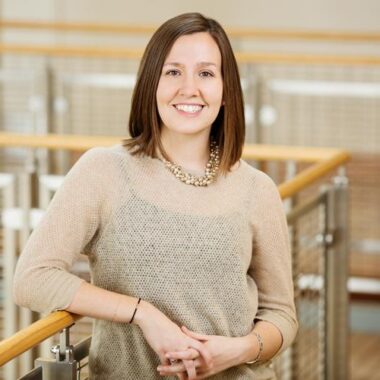
Dr. Meghan Burke
Morning Keynote
Dr. Meghan Burke is a professor of special education at Peabody College at Vanderbilt University. Her research interests include family-professional partnerships, families of individuals with disabilities, and disability policy. Her research examines how families advocate for services for their family members with disabilities. She also conducts research examining how siblings of individuals with disabilities transition to caregiving roles.
Dr. Burke has developed and tested several advocacy programs, including the Volunteer Advocacy Project (VAP) to educate and empower parents of individuals with disabilities to access services, not only for their own offspring but also for other families and for systemic change. To date, the project has been replicated in seven states and has been offered in English, Korean, and Spanish to families of individuals with disabilities.
In addition, Dr. Burke has a child with autism and a brother with Down syndrome. Prior to graduate school, Dr. Burke worked at a Parent Training and Information Center and she was a special education teacher in Metro Nashville Public Schools.
10:15 am
Break for Exhibitors
10:30 am
Breakout Session 1
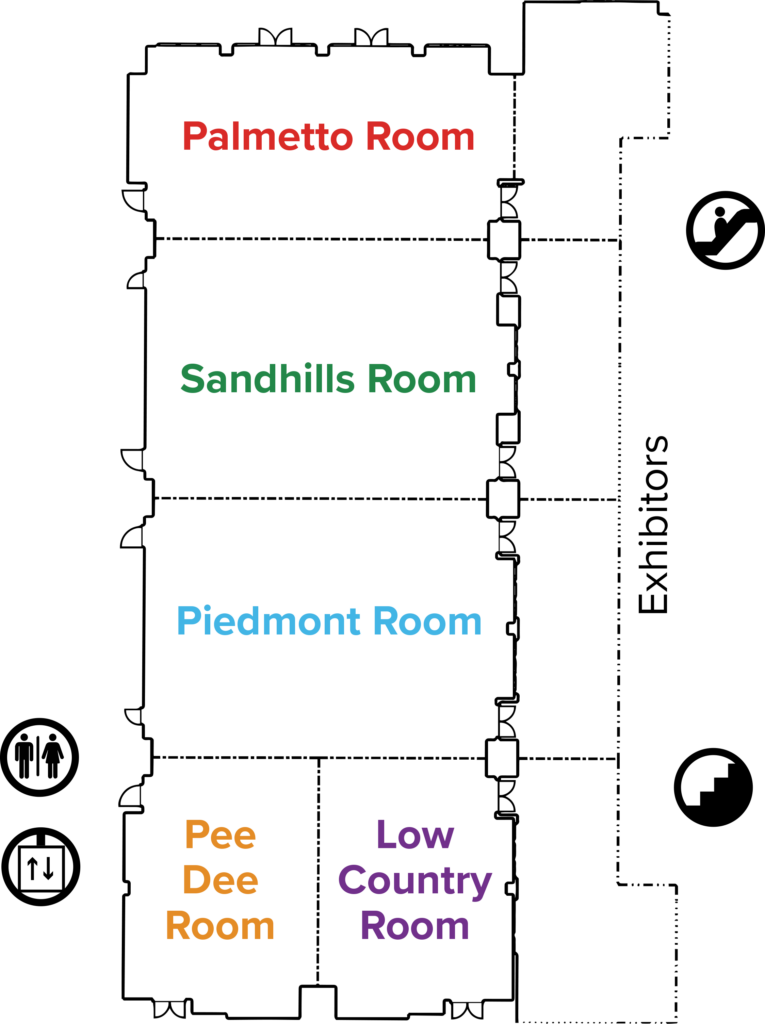
Piedmont Room - Breakout 1
South Carolina Law for Families
Kirby Mitchell
SC Legal Services
From education and public benefits to family law, understanding South Carolina’s legal landscape for youth with disabilities and special healthcare needs is essential. This session will provide state-specific updates, including recent changes to the guardianship filing process in South Carolina. Attendees will leave with valuable insights, practical guidance, and resources to access legal services and support their families effectively.
Sandhill Room - Breakout 1
Primary Care Management of Autism Spectrum Disorders
Dr. Shawna McCafferty
SC Department of Health & Human Services
Primary care management of autism spectrum disorder (ASD) in South Carolina involves a team of professionals, and may include pediatricians, psychologists, therapists, and other specialists. The goal is to provide coordinated care to help autistic children reach their full potential. This session aims to clarify screening, monitoring, referrals, and clinician/parent communication to support family engagement.
Palmetto Room - Breakout 1
Change A Child's Trajectory: Advocate for Their Needs
Deborah DePaoli and Citlaly Rojo
Institute for Child Success
This interactive session equips participants with a practical advocacy framework to clearly articulate the needs of a specific child or group of children. Attendees will learn concrete steps and proven strategies for effective individual and collective advocacy, from identifying key issues to engaging decision-makers. Through real-world examples and guided reflection, participants will strengthen their confidence, sharpen their voice, and build the boldness needed to advocate effectively for children in diverse settings.
Pee Dee Room - Breakout 1
Connecting Families to Services: Collaboration Between BabyNet and the SC Birth Defects Program
Heather Blackwell
SC Department of Public Health
Brittany Corsell
SC Department of Health & Human Services
This joint presentation highlights collaboration between the SC DPH Birth Defects Program and the SC DHHS BabyNet Eligibility Program over the past two years to improve referral processes and outcomes for children and families. Presenters will describe how cross-program coordination, shared problem-solving, and system-level improvements supported more effective referrals and clearer eligibility pathways. Attendees will gain practical insights into interagency collaboration and family-centered approaches to service delivery.
Low Country Room - Breakout 1
Preparing for Adulthood: Transfer of Rights and Supported Decision-Making
Sloan Links
Transition Alliance of South Carolina
This workshop focuses on preparing students with disabilities and their families for the transition to adulthood by emphasizing Transfer of Rights and Supported Decision-Making. Participants will learn how educational and legal rights change at age 18 and explore alternatives to guardianship that promote independence and self-determination. The session will also provide an overview of postsecondary pathways, including career readiness and the South Carolina High School Credential, while highlighting strategies that empower students to actively participate in decisions about their education, employment, and future.
11:15 am
Break for Exhibitors
11:30 am
Breakout Session 2
Piedmont Room - Breakout 2
Igniting Potential and Lighting the Way Towards Employment
Rebekah Olivas and Kendall Armstrong
SC Vocational Rehabilitation
Join Rebekah Olivas and Kendall Armstrong, Transition Specialists with SC Vocational Rehabilitation, to learn more about how the agency can assist youth with disabilities towards their future employment goals through Pre-Employment Transition Services and Youth Transition Services. This session will provide valuable insights into the transition process from school to the workforce, helping you understand the resources available to guide your child toward meaningful and successful employment. Don’t miss this opportunity to ask questions, gain knowledge, and explore how you can best support your child’s future career path!
Sandhill Room - Breakout 2
South Carolina Medicaid Overview
Lori Risk
SC Department of Health & Human Services
This session will provide an overview of South Carolina Medicaid, with a focus on children’s programs. Topics will include how to apply, eligibility criteria, forms and documents needed and how to get help.
Palmetto Room - Breakout 2
Hot Topics in Education Policy
Jennifer Rainville
SC Appleseed
Education policy is constantly evolving, with legislative decisions directly impacting students and families. This session will provide updates from the South Carolina State House, focusing on key policy discussions, including pre-K expulsion, school vouchers, and other legislative initiatives shaping the state’s education landscape. Participants will gain insight into how these policies affect their children and communities.
Pee Dee Room - Breakout 2
The Early Childhood Journey: BabyNet to Preschool
Jennifer Strock
SC Department of Health & Human Services BabyNet
Paola LozanoFamily Connection of South Carolina
This presentation provides an overview of the early childhood transition process for children exiting BabyNet (IDEA Part C) and moving into preschool services under IDEA Part B or other community-based programs. Participants will learn about timelines, roles and responsibilities of service coordinators and local education agencies (LEAs), transition conferences, parent participation, placement decisions, and least restrictive environment (LRE) requirements. The session also highlights what families can expect when a child exits BabyNet and explores available early childhood options to support a smooth and informed transition.
Low Country Room - Breakout 2
Overcoming the Barriers of Executive Functioning Skill Deficits
Dr. Susan Thomas
Family Connection of South Carolina
Some youth struggle in academic and non-academic activities because of executive functioning deficits. Executive functioning is defined as attention and regulation skills that enable people to maintain attention, set goals, retain useful information, avoid impulsive responses, manage frustration, consider the outcomes of behaviors, and utilize experiences from the past to plan for the future (Zelazo, 2017). EF skills are the foundation for learning and adapting to different contexts. Join this session as we discuss strategies to support youth with executive functioning deficits along with approaches to teaching youth these strategies at home and school. Participants will discuss the importance of school and home collaboration to support youth for school success.
12:15 - 1:15 pm
Break for Lunch (not provided)
1:15 pm
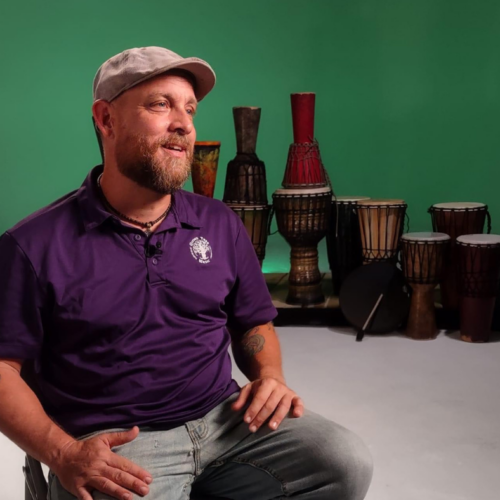
Steve Turner, Giving Tree Music
Afternoon Keynote: Steve Turner, Giving Tree Music
Steve Turner is the Founder and Lead Drum Circle Facilitator of Giving Tree Music, which he started in 1999. Giving Tree Music’s mission is to facilitate teamwork, respect, and the understanding that when we play together - we accomplish more than we ever could with just ourselves
Steve has been performing, making drums, and making music with everyone across the United States with Giving Tree Music for over 25 years.
He uses his drums as the vehicle to transport a group to a place of stronger community and deeper connections.
2:15 pm
Break for Exhibitors
2:30 pm
Breakout Session 3
Piedmont Room - Breakout 3
Stronger Together: How OIDD Collaborates with Community Partners
Octavia Graham and Angela McGinty
SC Office of Intellectual and Developmental Disabilities
Meaningful outcomes for individuals with disabilities are achieved through strong, coordinated partnerships. This session highlights how the Office of Intellectual and Developmental Disabilities (OIDD) works collaboratively with other state agencies, community organizations, educators, students, and families to support successful transitions to adult life. Participants will become informed about OIDD’s role in interagency collaboration, referral pathways, and person-centered planning. Practical examples will demonstrate how early and ongoing communication across systems improves access to services, resources, and opportunities. This session is designed for professionals and partners seeking to strengthen collaborative practices and better support individuals and families throughout the transition process.
Sandhill Room - Breakout 3
Got a PCA? Now what? Tips for Using Waiver Services
Erika Chapman and Carey Smith
Florence 1 Schools
Erika Chapman and Carey Smith, understand from experience how confusing and overwhelming it can be figuring out how to use Medicaid waiver services. Through trial and error they have learned to daily use and benefit from the many services offered through Community Long Term Care, the ID/RD waiver and the Medically Complex Children waiver. Learn about Medicaid services, including respite care, personal care attendant hours, and practical ways to schedule and manage them to make your life easier.
Palmetto Room - Breakout 3
Small Bodies, Big Experiences: Trauma-Informed Care for Disaster Preparedness
Ashley Nelson
South Carolina Infant Mental Health Association
This training equips parents and caregivers with practical, trauma-informed strategies to support young children impacted by hurricanes, storms, wildfires, or other traumatic community events. Participants will learn how young children experience stress and trauma, recognize common behavioral responses, and respond in developmentally appropriate ways that promote safety, regulation, and resilience. The session highlights simple tools caregivers can use to restore routines, support emotional regulation, talk with children about difficult events, and access disaster preparedness and recovery resources. Emphasis is placed on caregiver confidence and well-being as essential to supporting children’s recovery.
Pee Dee Room - Breakout 3
Supporting Youth with Disabilities in Developing Their Social and Emotional Well-Being
Lindsay Miller and Alie Springgate
Able SC
Families of youth with disabilities juggle behavior, stress, school, and worry about what structures are in place to help youth with decision-making once they become adults- all while trying to support healthy emotional growth. Developed with a trauma-informed specialist, this workshop explains what emotional development looks like, how disability and ableism can shape belonging, and why connection matters during adolescence. Participants will leave with practical strategies to help youth, including modeling emotional intelligence, setting clear boundaries, building self-reflection, utilizing community supports, and learning about alternatives to guardianship like supported decision making, all to help youth thrive and build disability pride.
Low Country Room - Breakout 3
Encouraging Family Partnerships
Dana Bennett and Jo Wallace
South Carolina Partnerships for Inclusion
This interactive presentation is for family members and early interventionists to build partnerships critical to the growth and education of the children in their care. Defining inclusion and the importance of forming partnerships to support inclusive practices are key elements of this session. Participants will explore the 5 R’s of family engagement to reflect on current practices to strengthen family/child relationships and ultimately improve outcomes for all children.
3:15 pm
Break for Exhibitors
3:30 pm
Breakout Session 4
Piedmont Room - Breakout 4
Lighting the Way Together: Partnership Driven Strategies for Complex Learners
Krista Olsen and Mary Robbins
SC DeafBlind Project
Children with complex needs thrive when families and professionals work in true partnership. This interactive session uses simulation activities to deepen participants’ understanding of students with significant support needs. Presenters will guide discussion and share practical strategies for strengthening collaboration among students, families, and interdisciplinary teams. Participants will also hear directly from a parent who shares real-world insights on building consistent, supportive practices across environments to help their child succeed.
Sandhill Room - Breakout 4
Beyond the Diagnosis: Foundational Supports for Individuals with Autism and Their Families
Stephanie Turner
SC Office of Intellectual and Developmental Disabilities
This training explores foundational supports available in South Carolina for individuals with autism and their families – beginning with universal prevention services and extending through recovery, maintenance, and health-related supports. A special focus will be placed on diagnostic overshadowing, a critical issue in which symptoms of co-occurring conditions are mistakenly attributed to autism, leading to gaps in care and support. Participants will gain insight into the impact of early identification and holistic family-center approaches, including strategies that can be directly integrated into their practice. This session offers actionable tools and practice guidance for identifying support needs, promoting child and family well-being, and strengthening service coordination.
Palmetto Room - Breakout 4
Helping Caregivers Support Emotion Regulation in Toddlers who may have Autism
Sarah Edmunds
University of South Carolina
Emotion dysregulation (e.g., frequent or unpredictable tantrums and aggression), is a common family concern, a prominent aspect of autism in toddlerhood, and can limit children’s daily inclusion and learning. This workshop will introduce the Minding Meltdowns project and present example strategies from an evidence-based intervention that supports young children’s emotion dysregulation and is designed for toddlers with autism or social communication delays. During the Minding Meltdowns project, this intervention will be implemented in early intervention systems in a way that fits Part C values and constraints. In this workshop, audience members will learn some of these evidence-based strategies to help reduce autistic meltdowns and improve coping in toddlerhood.
Pee Dee Room - Breakout 4
Life Care Planning: Making the Future More Secure for your Dependent with Special Needs
Douglas Vogel
MassMutual Special Care
This workshop will discuss what a Life Care Plan is and the steps recommended to create one for a loved one with special needs. As a caregiver of a dependent with special needs the single most important issue on your mind, regardless of the age of the dependent, is what will happen to my dependent after I’m gone. This workshop will address such critical issues as protecting government benefit eligibility for Supplemental Security Income (SSI) and Medicaid, creating Special Needs Trusts, the importance of a Will, Guardianship, Financial Strategies including ABLE Accounts and preparing Letters of Intent. You will learn about the comprehensive steps, available resources, and necessary tools to help develop your personal agenda. Following the planning stages can help insure the type of care and quality of life for your loved one’s well-being today and tomorrow.
Low Country Room - Breakout 4
Medicaid and Early Periodic Screening Diagnostic and Treatment: Basic Principles of Medicaid, Waivers and EPSDT
Anna Maria Conner
Disability Rights South Carolina
Attendees will learn about Medicaid and its principles, South Carolina’s Medicaid Waivers, and EPSDT. The session will include discussion of important concepts such as medical necessity, reasonable promptness, waivers, EPSDT, and appealing adverse decisions/due process.